
Benefits
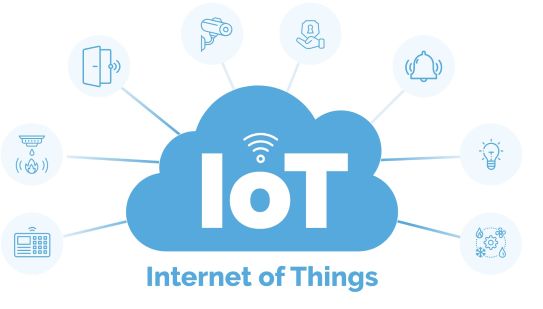
Smart sensors and simple Internet of Things (IoT) devices are practical tools that help businesses run more efficiently, reduce costs, and deliver better customer experiences. They turn invisible problems into visible opportunities by providing real‑time data and automating routine tasks that used to rely on manual checks. The result is fewer surprises, faster responses, and clearer decisions — all without requiring your team to become technical experts.
One of the quickest wins is automation. Sensors can monitor many things and trigger alarms and actions. Some examples include
One of the quickest wins is automation. Sensors can monitor many things and trigger alarms and actions. Some examples include
- Temperatures in office space.
- Stock levels in retail stores.
- Equipment status in industrial applications such as air-conditioning.
- Occupancy levels just about anywhere there are people.
This means fewer manual inspections, fewer human errors and staff freed to focus on customer service and growth. Automation also reduces repetitive labour costs and makes everyday operations more predictable. Preventing downtime is another major benefit. Sensors that track vibration, temperature, power draw, or humidity can reveal early signs of wear or malfunction. Instead of reacting to breakdowns, you can schedule maintenance before a failure occurs, avoiding emergency repairs and lost productivity. For many businesses, a single avoided outage pays for the initial investment in monitoring.
Safety and compliance become easier with connected devices. Automated logging of environmental conditions and equipment status creates reliable records for audits and reduces the risk of non‑compliance.
Asset tracking and utilisation are practical, high‑value uses of IoT. Simple location and usage sensors help you know where tools, vehicles, and equipment are, reduce loss and theft, and improve dispatch efficiency.
Safety and compliance become easier with connected devices. Automated logging of environmental conditions and equipment status creates reliable records for audits and reduces the risk of non‑compliance.
Asset tracking and utilisation are practical, high‑value uses of IoT. Simple location and usage sensors help you know where tools, vehicles, and equipment are, reduce loss and theft, and improve dispatch efficiency.
How to get started
Custom‑designed electronics often deliver the best long‑term value. Off‑the‑shelf devices are useful for quick validation, but a tailored solution can be optimised for battery life, ruggedness, communications range, and integration with your existing systems. The manufactured cost of a custom-designed product is also considerably lower than off-the-shelf devices.
Getting started doesn’t have to be risky or expensive. Identify one high‑impact problem — a recurring failure, high energy bills, or lost inventory — and run a small pilot with a few sensors. Measure the results over a short period, then scale the solution where it proves value. A staged approach keeps costs down, demonstrates ROI to stakeholders, and makes expansion straightforward. Once feasibility is proven, it becomes much easier to unlock further commitment and investment to proceed to the next step.
Getting started doesn’t have to be risky or expensive. Identify one high‑impact problem — a recurring failure, high energy bills, or lost inventory — and run a small pilot with a few sensors. Measure the results over a short period, then scale the solution where it proves value. A staged approach keeps costs down, demonstrates ROI to stakeholders, and makes expansion straightforward. Once feasibility is proven, it becomes much easier to unlock further commitment and investment to proceed to the next step.